Same-day dental cancellations cost practices $1,200-$3,600 a month. The recovery window is 20 minutes, and most practices miss it.
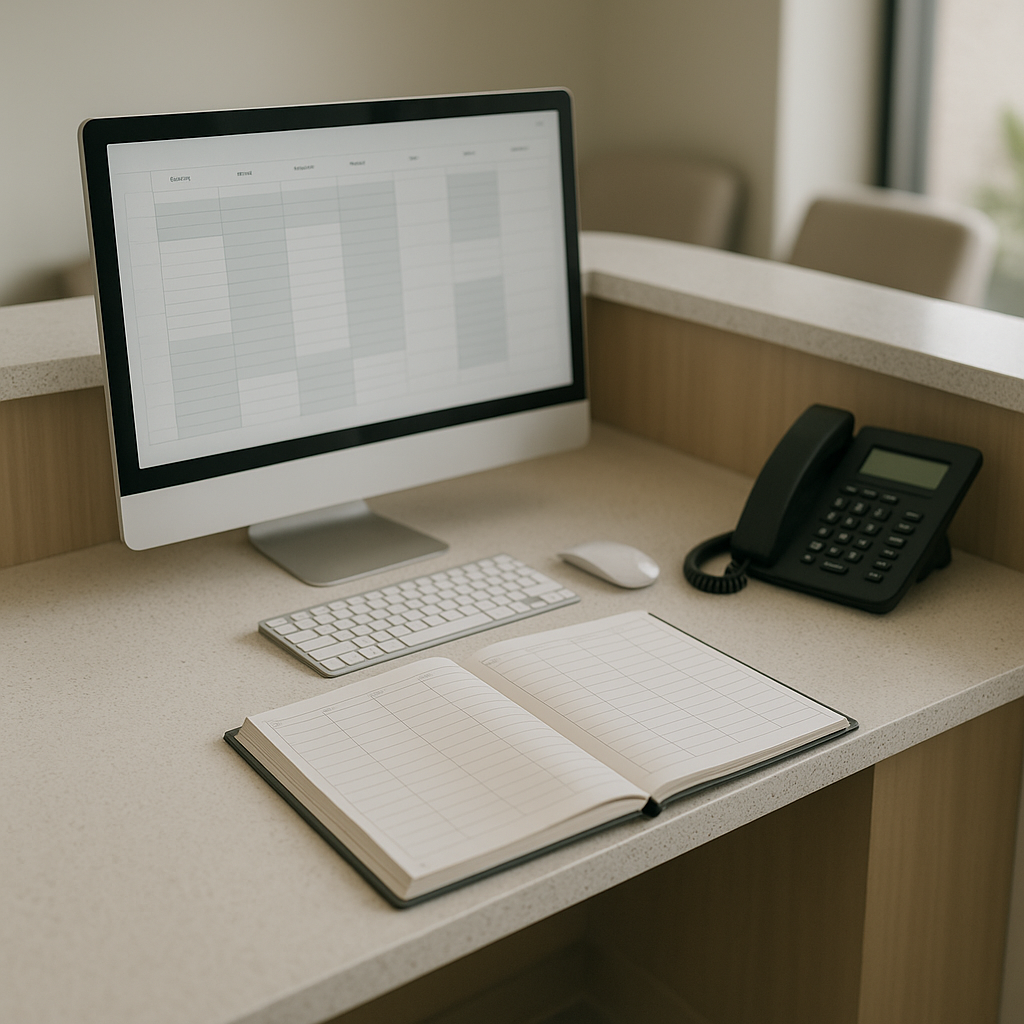
The cancellation already happened. Your window is 20 minutes.
When a patient cancels a same-day appointment, most dental practices lose that chair time permanently. The front desk is already managing check-ins, insurance verification, and phone calls. The window to reach a waitlisted patient who can still rearrange their day is 20 to 30 minutes. After that, the slot goes unbilled. Automated cancellation recovery systems are changing that outcome by triggering patient outreach the moment a cancellation is logged, not when staff find a free moment.
You probably assume that when a patient cancels, someone on your team calls down the waitlist and the slot has a reasonable chance of being filled. That assumption is reasonable. It is also wrong in most live practice environments.
A family dental practice with two hygienists and a full schedule was losing an average of five chair-hours per week to same-day cancellations. The front desk kept a paper waitlist and called down it when time allowed. The problem was that "when time allowed" was rarely within the first 30 minutes after the cancellation, which is the only window when a waitlisted patient can realistically rearrange their day. By the time the call happened, the open slot was two hours away and most patients had already committed to something else.
This is not a staffing failure. It is a structural one. A front desk team managing a live patient environment cannot be expected to stop, find the waitlist, and make multiple outbound calls within 20 minutes of a cancellation. The two tasks are not compatible.
A single unfilled hygiene appointment represents $150 to $300 in lost production. A practice seeing four to six cancellations per week, with even a 50% fill rate on recovery, is leaving $1,200 to $3,600 in recovered revenue unrealized every month. That is revenue that was already on the schedule. It was not a new patient acquisition problem. It was a response timing problem.
You built that schedule. You confirmed those appointments. The work of earning that chair time was already done, and it disappeared anyway, not because the demand was gone but because the outreach never moved fast enough to catch it.
Research from Drift shows that when a business waits more than one hour to respond to an inbound inquiry, more than 50% of those contacts have already engaged with a competitor or moved on. The same dynamic applies to your waitlist. A patient who was available this morning and received no call by 10 a.m. has mentally, and often literally, filled that time with something else.
The businesses recovering cancelled slots consistently are not asking their front desk to move faster. They have a system that moves the moment the cancellation is logged. That is a functionally different category of solution.
The Pathfinder Instant Response System works exactly at this trigger point. When a slot opens, an automated SMS goes to waitlisted patients within seconds, not within the hour. The patient who might have said yes at 9:15 a.m. is still reachable. The one contacted at 11:30 a.m. almost certainly is not.
What I see consistently in appointment-driven practices is that the recovery rate is not determined by how many people are on the waitlist. It is determined entirely by how quickly the first message reaches them. A list of 40 people contacted in the first five minutes outperforms a list of 40 people contacted in the first two hours every time.
The Pathfinder 48-Hour Authority Pipeline can support longer-range reactivation of patients who are overdue for care, which is a related but separate problem worth addressing alongside same-day recovery.
Empty chair time from a cancelled appointment is not a market problem. You have patients who want in. The question is whether your system reaches them before they stop being available. Most practices are running a 2026 schedule on a 2005 recovery process.
When you think about the cancelled appointments from last month, how many of those patients on your waitlist were actually unreachable, and how many simply never got a message in time?
Roughly 20 to 30 minutes. That is the realistic window in which a waitlisted patient can still rearrange their day to take the open slot. Past that point, most patients have already committed to something else.
A single unfilled hygiene appointment represents $150 to $300 in lost production. For a practice seeing four to six same-day cancellations per week, unrecovered slots can add up to $1,200 to $3,600 in lost revenue every month.
Because the two jobs conflict. A front desk team is already handling check-ins, insurance verification, and phone calls, and cannot reliably stop to work a waitlist within the 20-minute window a cancellation allows. Automated outreach can trigger the moment the cancellation is logged instead of waiting for staff to find a free moment.